Best Pole Barn Insulation in Des Moines
Durable Pole Barn Insulation In Des Moines
Year-Round Temperature Control For Des Moines Barns
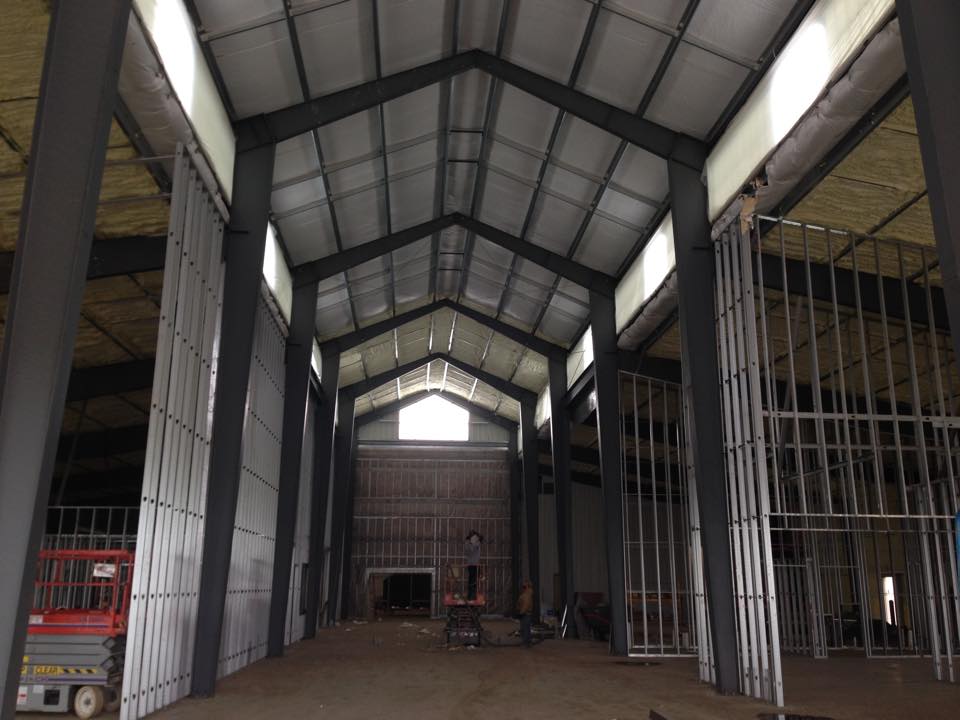
Pole barns in Des Moines can heat quickly in summer, lose warmth fast in winter, and collect moisture on cold metal surfaces. A well-planned insulation system helps slow those swings by treating rooflines, walls, corners, and large-door areas as connected parts of one building envelope. We prioritize year-round barn comfort while considering ventilation, interior humidity, equipment use, animal occupancy, and whether the barn will be heated full-time or only when occupied. Material choice and placement must work with the building rather than trap moisture in the wrong layer. Consistent coverage supports more usable working conditions and helps protect stored tools, vehicles, feed, or materials. For Des Moines owners, the outcome is a more functional pole barn prepared for changing Iowa weather.
Common Questions About Pole Barn Insulation Projects In Des Moines
What Does Pole Barn Insulation Cost In Des Moines?
Pole barn insulation cost in Des Moines depends on building size, roof and wall area, interior height, access, existing liners, material choice, target performance, and how the barn is used. Heated shops, livestock areas, and storage buildings can require different systems. A site review confirms surfaces, moisture conditions, equipment needs, and preparation before a detailed scope and price are developed.
Which Pole Barn Insulation Works Best In Des Moines?
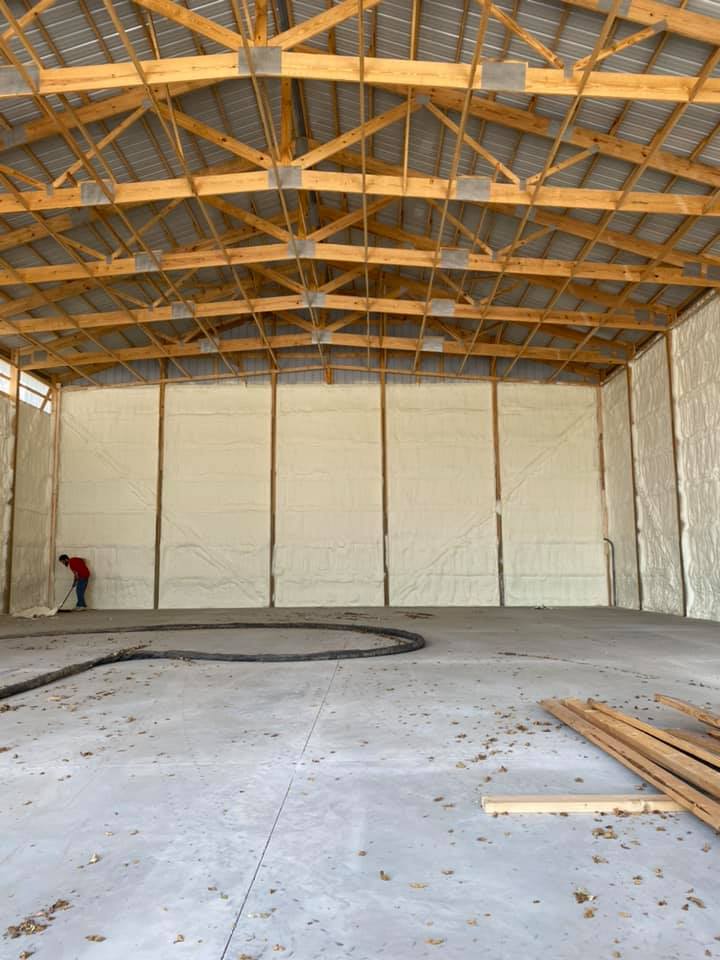
The best pole barn insulation in Des Moines depends on whether the building is heated, finished, ventilated, occupied by animals, or used mainly for storage. Spray foam can provide air sealing, while blown-in or hybrid systems may suit lined cavities. Material selection should consider condensation, drying potential, framing, fire and finish requirements, budget, and long-term use rather than choosing by R-value alone.
Can Pole Barn Insulation Control Des Moines Condensation?
Pole barn insulation can help manage condensation in Des Moines by reducing contact between warm, moisture-laden air and cold metal surfaces. It works best as part of a complete moisture strategy that also considers ventilation, ground moisture, roof leaks, animal activity, vehicles, and heating. Insulation placement must support drying and avoid trapping water where it cannot be seen or released.
How Long Does Des Moines Pole Barn Insulation Last?
Well-installed pole barn insulation can perform for many years in a Des Moines building when the material suits the assembly and remains protected from leaks, impact, pests, and ultraviolet exposure. Longevity also depends on ventilation, moisture control, interior finishing, and future changes to heating or building use. Regular inspections help identify roof issues or damaged areas before performance declines.
Protect Your Des Moines Pole Barn With Better Insulation
Discuss your Des Moines pole barn, farm building, storage space, or workshop with Iowa Foam. We will review usage, heating, ventilation, condensation risks, and interior conditions, then recommend an insulation system that supports more stable temperatures, protected contents, and practical year-round use.